
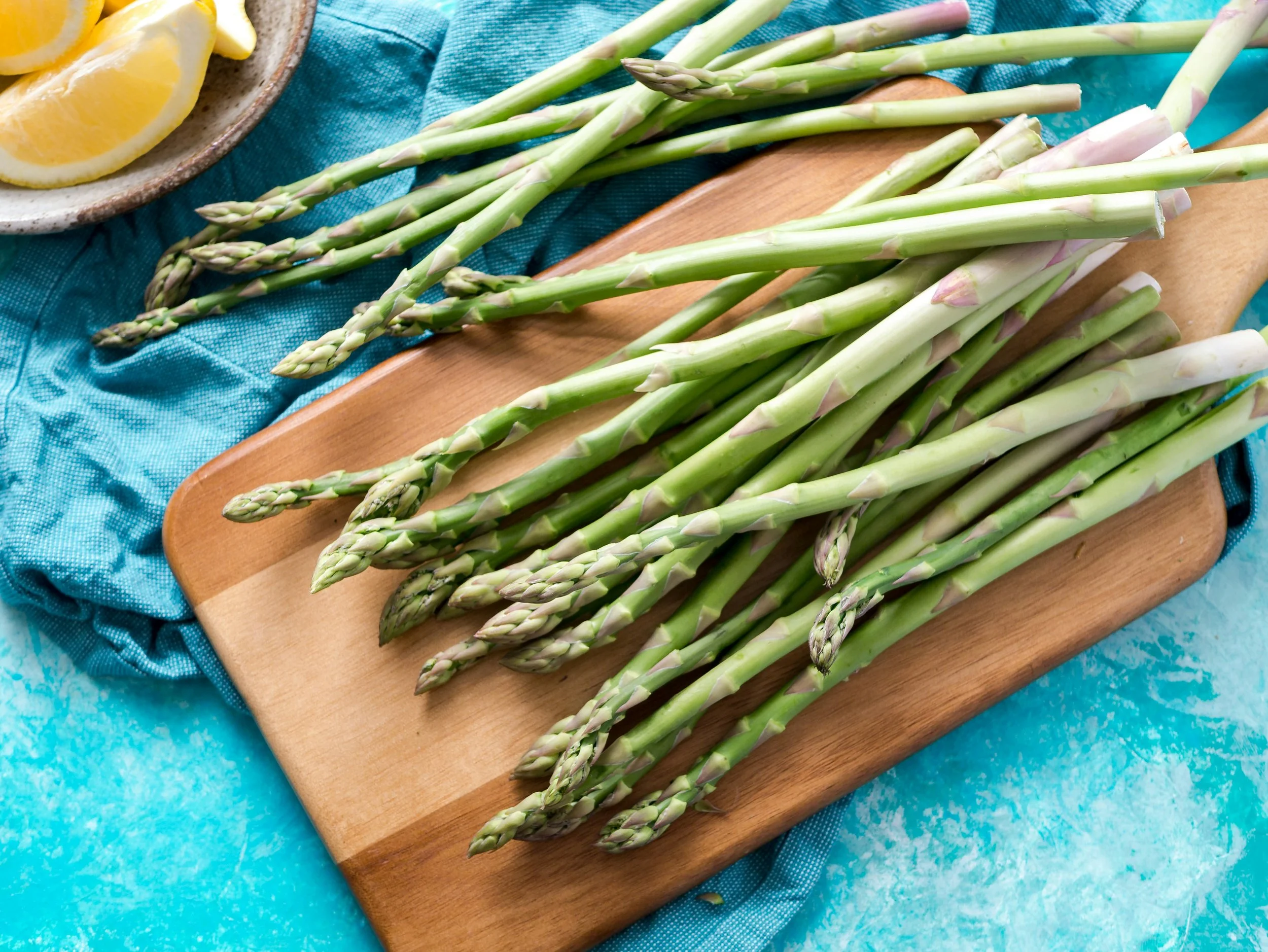
Photo by Christine Siracusa on Unsplash
Asparagus is one of the first signs of spring and with it arrives the same perennial questions about what to do with it.
If you’ve ever stood in the produce aisle wondering which bunch to choose or how to cook it without ruining it, you’re not alone. The good news? Asparagus is simple to master once you understand a few key details.
Here are four of the most common questions I hear—and how to get it right every time.
1. Does Size or Color Matter?
Short answer: yes—but not in the way most people think.
Size:
Thin asparagus cooks quickly and is more delicate
Thick asparagus is meatier with a slightly more robust texture
Neither is better—it just depends on how you plan to use it.
Chef tip:
Thin spears are perfect for roasting or quick sautéing
Thick spears are great for cutting into pieces and adding to dishes like quiche, grain bowls, or stir-fries
Color:
You’ll typically see green, but sometimes purple or white.
Green: Classic, slightly grassy flavor - the most common variety
Purple: A bit sweeter and more tender - can be eaten raw
White: Milder and more subtle (often peeled and more common in European cuisine)
For everyday cooking, green asparagus is your go-to—but don’t be afraid to try the others when you see them.
2. Do You Need to Peel Asparagus?
Most of the time—no. For typical green asparagus:
Simply snap or trim the woody ends
No peeling required
However, there are exceptions.
When to peel:
Very thick asparagus
White asparagus (almost always peeled)
Peeling the lower portion of thicker stalks removes toughness and gives you a more refined texture.
Chef tip:
If the outside feels fibrous or stringy, a quick peel of the bottom half makes a noticeable difference.
3. What’s the Best Way to Cook Asparagus?
This is where technique makes all the difference.
The goal is simple: tender, but still crisp—not soft or mushy.
My preferred methods:
Roasting (best for flavor):
Use high heat
Arrange asparagus in a single layer, drizzle with olive oil, season with salt and pepper to taste
For best results, place it on a rack over a lined sheet pan so it roasts evenly instead of steaming
Grilling:
Adds a subtle smoky flavor
Great for slightly thicker spears
For thicker asparagus:
Cut into pieces
Lightly steam or sauté
Incorporate into composed dishes like:
Quiche
Stir-fries
Grain bowls
Chef tip:
Purple asparagus turns green when cooked. If maintaining the purple color is important to you then blanch it or enjoy it a raw like a salad or crudites.
4. How Should You Serve Asparagus?
This is where you can really elevate it. Asparagus is incredibly versatile—it can be a simple side dish or part of a more composed plate. The key is pairing it with flavors that enhance its natural freshness.
Classic pairings that always work:
Lemon and Parmesan
Olive oil and Toasted Nuts
Butter and Fresh herbs
Balsamic Reduction
These bring balance—adding brightness and richness without overpowering the vegetable.
To elevate it further:
A homemade Hollandaise sauce
A touch of roasted garlic or shallot
A soft egg or shaved cheese
A sprinkle of flaky salt just before serving
How to serve it:
As a clean, elegant side with grilled meats or fish
Tossed into pasta or risotto
Layered into grain bowls
Added to brunch dishes like frittatas or quiche
Chef tip:
Finish asparagus just before serving. A final drizzle of olive oil or squeeze of lemon right at the end makes all the difference.
The Bottom Line
Asparagus doesn’t need complicated recipes—it just needs the right approach.
Choose the size that fits your dish.
Peel only when necessary.
Cook it with intention.
Serve it with flavors that bring it to life.
Do that, and you’ll get results that feel simple—but taste like something much more elevated.
If you’d like to enjoy perfectly prepared seasonal ingredients without the trial and error, that’s exactly what we do at Zest—bringing fresh, customized meals straight to your table.